Lessons from a nonprofit’s attempts to change systems that impact children with developmental disabilities.
-
-
Learn what public art is, how it is developed and created, and the positive impact public art can have on a community.
-
Fariha Raisa, Feedback Labs | March 15, 2023 Second Helpings Atlanta is a nonprofit organization that serves as a link between a network of food donors and distribution organizations working to reduce food waste and hunger in food-insecure communities. They aim to strike a balance between serving people efficiently and serving individuals or families that are harder to reach. With limited staff and resources, this process is complex but fills a gap that otherwise may not be met. Consequently, to find the right balance, they are creating feedback mechanisms to listen to the partner distribution network and the communities that they serve. As an organization, they are revisiting what equity means in the delivery of services to reduce food insecurity. Second Helpings hosted a LabStorm at Feedback+Atlanta, which engaged attendees in real-time problem-solving and dialogue about honest feedback amid power dynamics. Using feedback as a catalyst for collaboration and process changes, discussions included incorporating constituent feedback in determining outcome measures for equity. The discussion emphasized: Equitable distribution of food resources. Participants emphasized the helpfulness of demographic breakdown of the recipients as a way to have more clarity while approaching equitable models to distribute food resources. Instead of relying on census data, initiating own surveys was encouraged. However, because demographic data can be invasive for those seeking assistance or food resources, attendees proposed the idea of selecting partner agencies that are representative and reflective of the communities they are serving. This will allow the room for informed decisions without depending on the exact data of the people being served. Honest feedback amid power imbalance. To build trust with the community, participants recommended that Second Helpings identify key organizations that can serve as champions. These champions could connect agencies with the target audience and gather feedback from other constituents based on that relationship-building model. Furthermore, understanding customer needs by individual locations could provide insight into what the clients are choosing and what they are not choosing. These data would then inform the type of resources that the organizations are low on as well as what they are not low on. Lastly, being open and transparent about the decision-making processes so clients can understand how decisions are made that affect them can facilitate an open feedback environment. Using constituent feedback to catalyze collaboration. The idea for a block party was proposed to get people in the immediate community to participate in organizational events. Second Helpings Atlanta was encouraged to move the needle as a whole on the food security sector through networking and collaboration events. Since there is a lack of structure and process in food relief regarding collaboration, feedback data could be used to inform the network as a whole. As the discussion came to a close, presenters from Second Helpings Atlanta reflected on the key takeaways. They emphasized looking into more ways to bring groups of people together and hear the voices of those at the heart of the organization’s work. The network should expand beyond just food rescue and ask bigger questions to connect with others doing adjacent work. This will create the opportunity to brainstorm and be intentional about consistently checking in with those Second Helpings Atlanta serves. Learn More About LabStorms LabStorms are collaborative problem-solving sessions designed to help organizations tackle feedback-related challenges or share what’s working well in their practice. Presenters leave the experience with honest, actionable feedback and suggestions to improve their feedback processes and tools. To learn more about participating in a virtual LabStorm, please visit feedbacklabs.org/labstorms.
-
This blog explores what a social movement is and is not, and explains how movements can be built and sustained to stand the test of time.
-
The Plastic Solutions Fund is working to build a world in which only truly necessary and non-toxic plastics are produced, and even those are reused, repaired, or recycled. A sponsored project of…
-
In an environmental studies class in a secondary school in a South African township, the teacher takes the students outside into the sunny fall morning. She shows them how to…
-
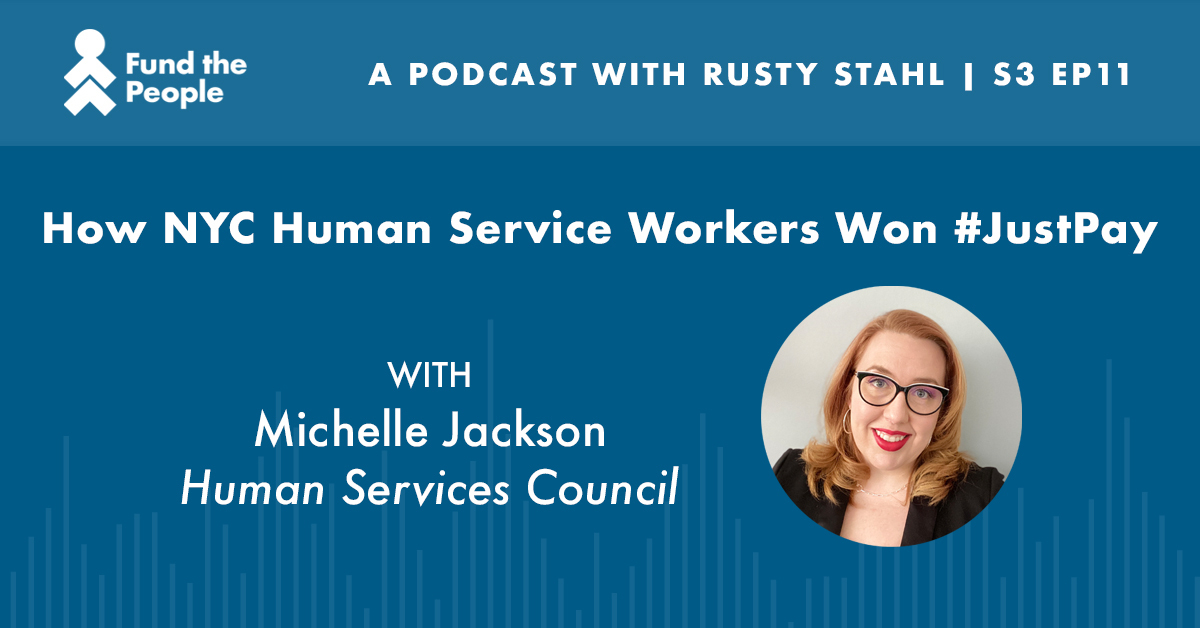
READ THE TRANSCRIPT This episode offers an incredible story – and perhaps a bold new model for increasing investments in America’s nonprofit workforce.You’ll learn how a group of nonprofits showed elected leaders the essential value of the nonprofit human services workforce, and broke through malaise…
Read the full article at: fundthepeople.org
-
Police dispersed hundreds of protestors rallying to save a tiny village from demolition.
-

Throwing soup on a van Gogh. Blocking roads. Deflating SUV tires. Here’s why climate protests are getting so confrontational.
Read the full article at: grist.org
-
From riot gear to PR to Dairy Queen, public records show every expense Enbridge reimbursed after the Line 3 protests.
-
President Xiomara Castro’s government must do more to protect those fighting for environmental rights, critics say.
-
Three key cross-sector reforms can ensure innovation and equality are never at odds.